Majoritatea magazinelor de comerț electronic nu eșuează pentru că produsul e prost. Eșuează pentru că brandul nu a existat niciodată cu adevărat. Dacă vrei să construiești un brand de comerț electronic care chiar supraviețuiește — unul la care clienții se întorc fără să fie retargetați la fiecare 48 de ore — trebuie să gândești complet diferit de dropshipperii și vânătorii de tendințe care inundă fiecare nișă în 2026. Această distincție este jocul întreg.
Am văzut sute de magazine care și-au ars bugetul de publicitate urmărind momente virale, doar ca să se stabilizeze imediat ce algoritmul a încetat să coopereze. Cele care mai sunt în picioare după trei ani aveau ceva altceva: o identitate în care oamenii puteau avea încredere, o poveste cu adevărat vrednic să fie repetat, și o experiență a clientului care nu se simțea ca o tranzacție. Construirea unui brand de acest fel este mai lentă, uneori frustrantă, și absolut merită.

Why Most E-Commerce Brands Don’t Survive
The hard truth is that product-first thinking kills most stores before they hit year two. Founders find a trending product, spin up a Shopify store, run Meta ads, and call it a brand. It isn’t. It’s a distribution experiment. There’s a meaningful difference between those two things — and the market punishes you for confusing them.
In 2026, paid acquisition costs are brutal. Average CPMs on Meta are sitting around $18–$22 for most consumer categories, and that’s before you factor in creative fatigue and iOS-era attribution gaps. If your entire growth model depends on buying customers one at a time, you’re on a treadmill with no off switch.
Brands that last have a different engine. They build organic equity — through content, community, and reputation — so that paid ads amplify something real rather than manufacture something fake. The brand does work even when the ads are off.
I’ve also noticed that trend-chasing brands share a specific blind spot: they optimize for the first sale and ignore everything after. Customer lifetime value becomes an afterthought. When a trending product saturates — and it always does — there’s nothing underneath to hold the business up. No loyalty, no repeat purchase rate worth mentioning, no word-of-mouth.
The survivors are obsessive about the post-purchase experience. They think in years, not campaigns. That mental shift is the real starting point.
The Brand Foundation Checklist
Before you run a single ad or pitch a single influencer, your brand foundation needs to be solid. This isn’t abstract strategy — it’s the practical infrastructure that everything else sits on. Skip any piece of it and you’ll feel the gap later, usually at the worst possible moment.
I call this the pre-launch clarity test. Every brand I’ve helped build that actually scaled had clear answers to all five of these before spending a dollar on traffic. Most brands that struggled? They had answers to maybe two or three — and they were vague even then.
Being specific here matters more than being polished. You don’t need a 40-page brand deck. You need sharp, honest answers that any team member or creative partner can use to make decisions without asking you. That clarity compounds over time.
The checklist below isn’t exhaustive, but it covers the non-negotiables. These are the questions your brand must answer before it earns the right to compete for attention in a saturated market.
5 Brand Foundation Non-Negotiables
- Define your positioning in one sentence: who you serve, what you solve, and why you specifically — not a generic value prop.
- Identify your brand voice with three concrete adjectives and one brand you’d never sound like, ever.
- Map your ideal customer’s actual life — not just demographics, but the frustrations, habits, and language they use daily.
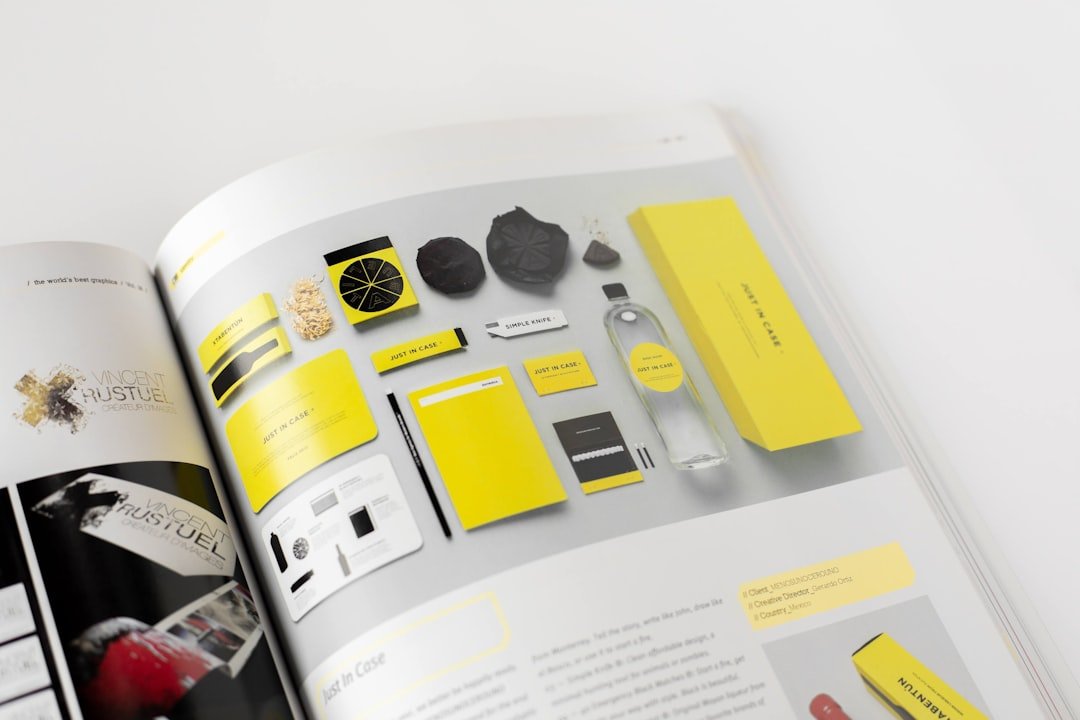
- Lock in your visual identity: a primary palette of 2–3 colours, one hero font, and a logo that works at 32px and 320px.
- Write your brand promise — the specific, testable thing a customer can expect every single time they buy from you.
Build a Story People Actually Repeat
Storytelling in e-commerce gets talked about constantly and executed terribly. Most brands use the word ‘story’ to mean a paragraph about the founder’s passion on the About page that nobody reads. That’s not a story. A story is something a customer tells someone else at dinner without being prompted.
The brands that have cracked this — think Liquid Death in beverages or Represent in apparel — built narratives so specific and opinionated that customers feel like insiders for knowing them. The product is almost secondary. You’re buying into a worldview. That emotional buy-in is what drives 40–60% repeat purchase rates in the strongest DTC brands right now.
For your own brand, start with the genuine tension. What does your brand exist to push back against? Blandness, overpricing, greenwashing, complexity — pick the villain and be clear about it. People don’t rally around features; they rally around shared frustrations and shared beliefs. Your story needs a credible antagonist.
Distribution of the story matters as much as the story itself. Short-form video is still the most efficient surface for brand narrative in 2026 — a 30-second TikTok or Reel that captures your brand’s tension and resolution does more brand-building work than a beautifully designed landing page. I’ve seen brands with mediocre websites and extraordinary social presence massively outsell the reverse.
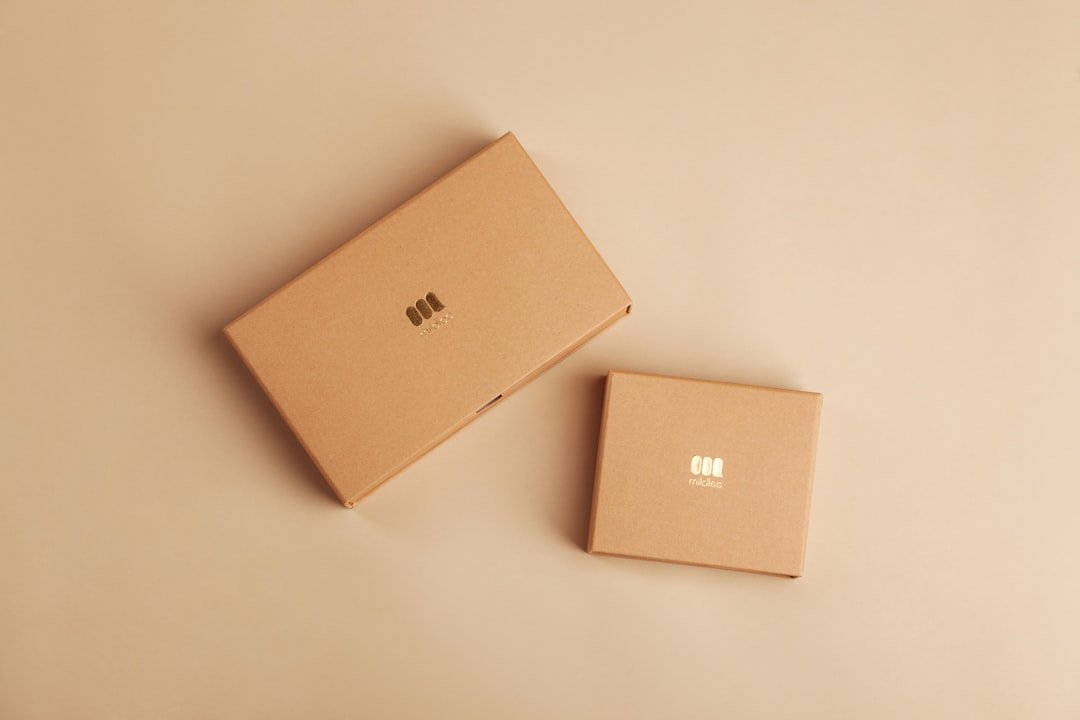
And don’t underestimate packaging. For physical products, the unboxing moment is a story beat — possibly the highest-stakes one you control directly. A single thoughtful insert, a handwritten thank-you on the first 500 orders, a QR code to a founder video: these cost almost nothing and turn customers into narrators.
Own a Channel Before You Rent One
Here’s a principle I keep coming back to: rented audiences are fragile. Every follower you have on Instagram or TikTok can disappear overnight — algorithm change, account suspension, platform decline. I’ve personally seen stores with 200,000 Instagram followers generate almost nothing when their reach got throttled. The number was impressive; the asset was not.
Owning a channel means email first, SMS second, and community third. Email lists are still the highest-ROI owned asset in e-commerce. Average e-commerce email sequences in 2026 generate between $38–$44 per subscriber annually when run well. That’s not a channel you abandon for the next shiny thing — that’s infrastructure.
Building that list requires a compelling reason to opt in that isn’t just ‘10% off your first order.’ That offer is table stakes now and barely moves the needle. What works better is lead magnets tied to your brand’s expertise — a fit guide, a sourcing transparency report, a quiz that generates a personalized recommendation. Give people something genuinely useful and they’ll give you permission to stay in touch.
SMS is more aggressive but converts exceptionally well for time-sensitive offers — abandoned cart sequences with SMS touchpoints routinely recover 15–20% of carts that email alone misses. Use it sparingly or customers opt out fast. One or two messages per week maximum, and make every one count.
Community channels — whether a private Discord, a Facebook group, or even a niche Substack — are the long game. They take 12–18 months to feel alive. But once they do, the brand loyalty they generate is almost impossible to replicate through paid channels. The customers become the marketing department.
Retention Is the Revenue Nobody Talks About
Acquisition is loud. Retention is quiet. That’s probably why so many founders ignore it until their CAC starts eating the business alive. The math is simple and brutal: acquiring a new customer costs 5–7x more than retaining an existing one, and most e-commerce stores in 2026 still spend 80% of their marketing budget on acquisition.
The brands that compound — that grow year over year without proportionally scaling ad spend — treat retention as a product discipline, not a marketing afterthought. They design for repeat purchase from day one. That means thinking about consumables, subscriptions, complementary products, and replenishment cycles before the store even launches.
Post-purchase email flows are the single highest-leverage retention tool most stores underuse. A well-built flow — order confirmation, shipping update, product education, usage tips, review request, cross-sell — touches the customer seven times in the first 30 days. Each touchpoint builds familiarity. Familiarity builds trust. Trust drives the second order, which is where most brands finally become profitable on a customer.
Loyalty programs get a mixed reputation because most are implemented lazily — points systems with no emotional hook. The ones that work reward behaviour beyond purchase: sharing, reviewing, referring, engaging. Turning loyalty into a status experience rather than a discount mechanism changes the psychology entirely. Customers start identifying with the brand rather than just saving a few dollars.
I track one metric above all others for brand health: the percentage of revenue coming from repeat customers month over month. Healthy brands sit at 35–45%. If you’re below 20%, retention isn’t a channel problem — it’s a product or experience problem that no amount of email automation will fix. Be honest about which one it is.
Play a Longer Game Than Your Competitors
The most durable e-commerce brands I’ve studied share one trait that’s almost boring to name: patience. Not complacency — they move fast and test constantly — but patience with brand-building timelines. They don’t expect community to feel alive in month two. They don’t abandon a content channel because it didn’t convert in the first 90 days.
Category authority is one of the most underrated moats in e-commerce. When your brand becomes the go-to source of knowledge in your niche — not just a seller of products but a trusted voice — pricing power follows naturally. Customers pay premiums to brands they trust, and trust is built through consistently useful, non-commercial content over time. One well-researched blog post or YouTube video per week for two years builds something paid ads literally cannot buy.
Partnerships also compound in ways that individual campaigns don’t. Strategic collaborations with complementary brands — think a coffee brand partnering with a specialty mug brand — introduce each audience to the other without paid acquisition costs. Done right, these partnerships reinforce both brands’ identities rather than diluting them. The key word is complementary: overlapping values, non-competing products, similar customer sophistication.
I also want to be direct about something that most brand-building content glosses over: pivots are sometimes necessary and not a sign of failure. The brand that lasts isn’t always the one that stayed rigidly on its original path. It’s the one that stayed true to its core values while adapting its product, positioning, or channel mix as the market evolved. Flexibility and identity aren’t opposites.
In 2026, the e-commerce landscape rewards brands that are genuinely hard to copy. Not because of patents or logistics (though those help), but because of accumulated trust, community depth, and a story so specific that imitating it would look ridiculous. That’s the long game. It’s worth playing.
Frequently Asked Questions
Cât durează realist pentru a construi un brand de comerț electronic recunoscut?
Cu sinceritate, aștepte-te la 18–24 de luni înainte ca recunoașterea brandului să înceapă să facă muncă semnificativă pentru tine. Poți construi un magazin profitabil mai repede decât asta, dar efectele compuse ale comunității, conținutului și reputației iau timp pentru a se acumula. Oricine promite o scurtătură vinde ceva.
Am nevoie de un buget mare pentru a construi un brand puternic de comerț electronic?
Nu cât ai crede, dar nici zero. Investițiile cele mai importante sunt în claritate de brand (care costă timp mai mult decât bani) și canale deținute ca email. Am văzut branduri cu 500 dolari/lună buget de marketing să depășească pe cele care cheltuiesc 50.000 — pentru că fundația lor era solidă și conținutul lor era genuin.
E prea târziu să construiesc un brand de comerț electronic nou în 2026?
Nu — dar era victoriei pur pe noutatea produsului e trecută. Ceea ce încă funcționează e diferențiere genuină: o comunitate specifică, o poveste convingătoare, sau o experiență a clientului care e notabil mai bună decât media categoriei. Nișele care se simt saturate au adesea execuție de brand groaznică în toate, ceea ce de fapt e o oportunitate.
Care e metrica cea mai importantă pentru măsurarea sănătății brandului în comerț electronic?
Rata de repeat purchase. Dacă clienții se întorc fără a fi mituiți cu o reducere de fiecare dată, ai un brand. Dacă se întorc doar pentru vânzări, ai un magazin de mărfuri. Urmărește procentajul de venit lunar care vin din clienți repeți și observă-l ca pe o șoim.
Ar trebui să construiesc pe social media înainte de a-mi lansa magazinul?
Da, dacă poți să o gestionezi — construirea unei audiențe înainte să ai un produs de vândut e o avantaj reală. Chiar 1.000 de urmăritori cu adevărat interesați îți dau o rampă de lansare, feedback timpuriu, și dovadă socială pe care traficul plătit nu o poate fabrica. Începe conținutul înainte ca să te simți gata.
Cum știu dacă poziționarea brandului meu e suficient de puternică?
Rulează acest test: descrie-ți brandul cuiva într-o propoziție, apoi întreabă dacă pot numi trei alte branduri care ar putea se potrivi aceeași descriere. Dacă ușor pot, poziționarea ta e prea genică. Poziționarea puternică ar trebui să se simtă aproape inconfortabil de specifică — asta e de obicei semnul că ești pe pista corectă.
Construirea unui brand de comerț electronic care durează nu e un secret — e o angajare. E alegerea de a face munca mai lentă, mai puțin glamuroasă a construirii încrederii în timp ce concurenții tăi sunt ocupați să urmărească următorul produs trending. Plata e reală: loialitate a clientului care se compune, word-of-mouth care nu necesită buget, și o afacere care poate rezista schimbărilor de algoritm, schimbărilor de platformă, și saturației categoriei. Fiecare secțiune a acestui articol e o pârghie. Trage mai mult de una simultan și efectele se înmulțesc.
Dacă ești la începutul acestei călătorii — sau reconstruind după un brand care nu a ținut — scriu despre genul asta de lucruri în mod regulat pe ionplaton.com. Calea înainte nu e complicată, dar necesită claritate despre ce construiești și de ce. Începe cu fundația, deține-ți canalele, și gândește în ani. Brandurile care merită amintite fac mereu asta.
💡 About the author: Ion Platon is an entrepreneur and founder specializing in organic content distribution, e-commerce, and U.S. company formation. Learn more at ionplaton.com.