Most e-commerce stores don’t fail because the product is bad. They fail because the brand never really existed. If you want to build an e-commerce brand that actually survives — one that customers return to without being retargeted every 48 hours — you have to think completely differently from the dropshippers and trend-chasers flooding every niche in 2026. That distinction is the whole game.
I’ve watched hundreds of stores burn through ad spend chasing viral moments, only to flatline the second the algorithm stopped cooperating. The ones still standing three years later had something else: an identity people could trust, a story worth repeating, and a customer experience that didn’t feel like a transaction. Building that kind of brand is slower, sometimes frustrating, and absolutely worth it.

Why Most E-Commerce Brands Don’t Survive
The hard truth is that product-first thinking kills most stores before they hit year two. Founders find a trending product, spin up a Shopify store, run Meta ads, and call it a brand. It isn’t. It’s a distribution experiment. There’s a meaningful difference between those two things — and the market punishes you for confusing them.
In 2026, paid acquisition costs are brutal. Average CPMs on Meta are sitting around $18–$22 for most consumer categories, and that’s before you factor in creative fatigue and iOS-era attribution gaps. If your entire growth model depends on buying customers one at a time, you’re on a treadmill with no off switch.
Brands that last have a different engine. They build organic equity — through content, community, and reputation — so that paid ads amplify something real rather than manufacture something fake. The brand does work even when the ads are off.
I’ve also noticed that trend-chasing brands share a specific blind spot: they optimize for the first sale and ignore everything after. Customer lifetime value becomes an afterthought. When a trending product saturates — and it always does — there’s nothing underneath to hold the business up. No loyalty, no repeat purchase rate worth mentioning, no word-of-mouth.
The survivors are obsessive about the post-purchase experience. They think in years, not campaigns. That mental shift is the real starting point.
The Brand Foundation Checklist
Before you run a single ad or pitch a single influencer, your brand foundation needs to be solid. This isn’t abstract strategy — it’s the practical infrastructure that everything else sits on. Skip any piece of it and you’ll feel the gap later, usually at the worst possible moment.
I call this the pre-launch clarity test. Every brand I’ve helped build that actually scaled had clear answers to all five of these before spending a dollar on traffic. Most brands that struggled? They had answers to maybe two or three — and they were vague even then.
Being specific here matters more than being polished. You don’t need a 40-page brand deck. You need sharp, honest answers that any team member or creative partner can use to make decisions without asking you. That clarity compounds over time.
The checklist below isn’t exhaustive, but it covers the non-negotiables. These are the questions your brand must answer before it earns the right to compete for attention in a saturated market.
5 Brand Foundation Non-Negotiables
- Define your positioning in one sentence: who you serve, what you solve, and why you specifically — not a generic value prop.
- Identify your brand voice with three concrete adjectives and one brand you’d never sound like, ever.
- Map your ideal customer’s actual life — not just demographics, but the frustrations, habits, and language they use daily.
- Lock in your visual identity: a primary palette of 2–3 colours, one hero font, and a logo that works at 32px and 320px.
- Write your brand promise — the specific, testable thing a customer can expect every single time they buy from you.
Build a Story People Actually Repeat
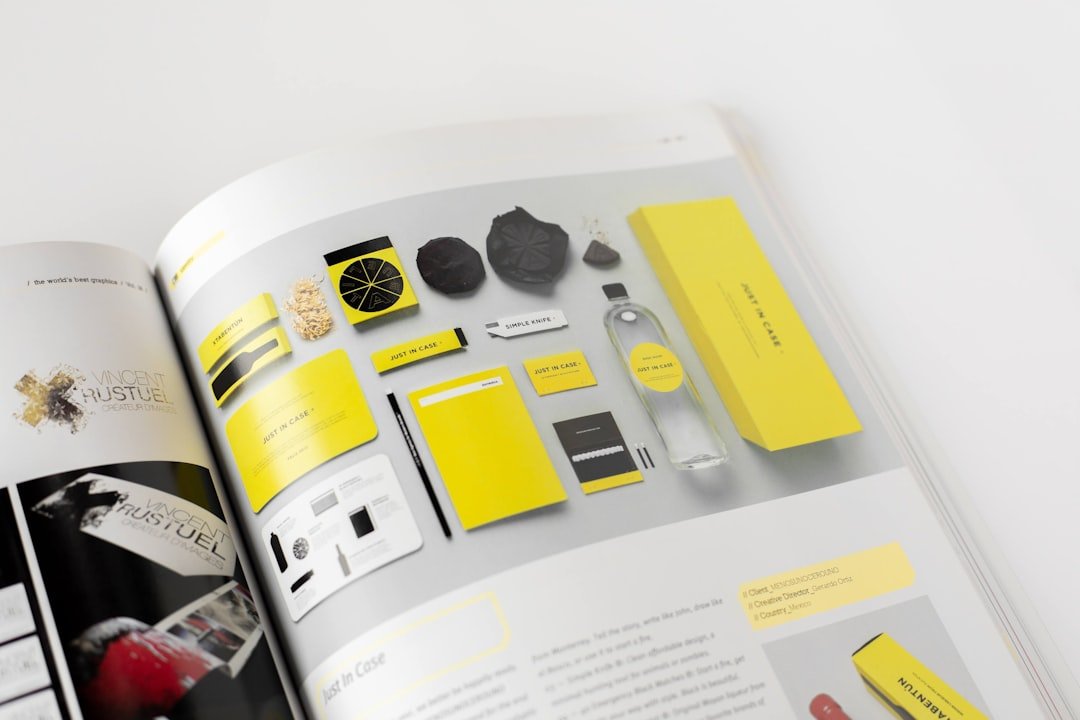
Storytelling in e-commerce gets talked about constantly and executed terribly. Most brands use the word ‘story’ to mean a paragraph about the founder’s passion on the About page that nobody reads. That’s not a story. A story is something a customer tells someone else at dinner without being prompted.
The brands that have cracked this — think Liquid Death in beverages or Represent in apparel — built narratives so specific and opinionated that customers feel like insiders for knowing them. The product is almost secondary. You’re buying into a worldview. That emotional buy-in is what drives 40–60% repeat purchase rates in the strongest DTC brands right now.
For your own brand, start with the genuine tension. What does your brand exist to push back against? Blandness, overpricing, greenwashing, complexity — pick the villain and be clear about it. People don’t rally around features; they rally around shared frustrations and shared beliefs. Your story needs a credible antagonist.
Distribution of the story matters as much as the story itself. Short-form video is still the most efficient surface for brand narrative in 2026 — a 30-second TikTok or Reel that captures your brand’s tension and resolution does more brand-building work than a beautifully designed landing page. I’ve seen brands with mediocre websites and extraordinary social presence massively outsell the reverse.
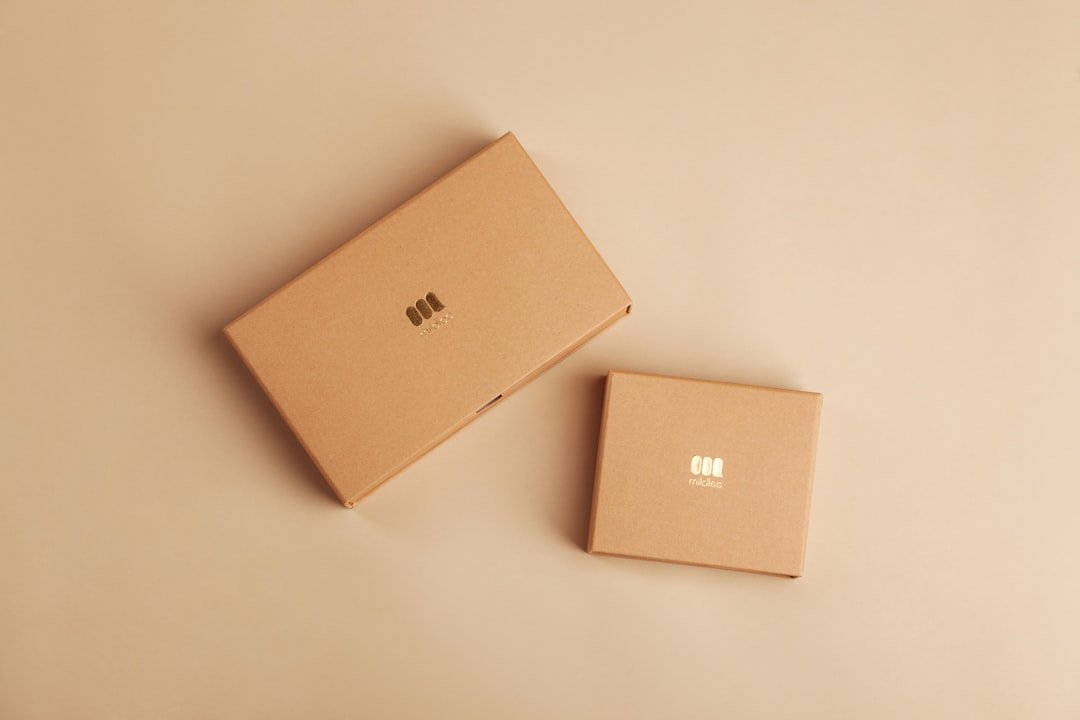
And don’t underestimate packaging. For physical products, the unboxing moment is a story beat — possibly the highest-stakes one you control directly. A single thoughtful insert, a handwritten thank-you on the first 500 orders, a QR code to a founder video: these cost almost nothing and turn customers into narrators.
Own a Channel Before You Rent One
Here’s a principle I keep coming back to: rented audiences are fragile. Every follower you have on Instagram or TikTok can disappear overnight — algorithm change, account suspension, platform decline. I’ve personally seen stores with 200,000 Instagram followers generate almost nothing when their reach got throttled. The number was impressive; the asset was not.
Owning a channel means email first, SMS second, and community third. Email lists are still the highest-ROI owned asset in e-commerce. Average e-commerce email sequences in 2026 generate between $38–$44 per subscriber annually when run well. That’s not a channel you abandon for the next shiny thing — that’s infrastructure.
Building that list requires a compelling reason to opt in that isn’t just ‘10% off your first order.’ That offer is table stakes now and barely moves the needle. What works better is lead magnets tied to your brand’s expertise — a fit guide, a sourcing transparency report, a quiz that generates a personalized recommendation. Give people something genuinely useful and they’ll give you permission to stay in touch.
SMS is more aggressive but converts exceptionally well for time-sensitive offers — abandoned cart sequences with SMS touchpoints routinely recover 15–20% of carts that email alone misses. Use it sparingly or customers opt out fast. One or two messages per week maximum, and make every one count.
Community channels — whether a private Discord, a Facebook group, or even a niche Substack — are the long game. They take 12–18 months to feel alive. But once they do, the brand loyalty they generate is almost impossible to replicate through paid channels. The customers become the marketing department.
Retention Is the Revenue Nobody Talks About
Acquisition is loud. Retention is quiet. That’s probably why so many founders ignore it until their CAC starts eating the business alive. The math is simple and brutal: acquiring a new customer costs 5–7x more than retaining an existing one, and most e-commerce stores in 2026 still spend 80% of their marketing budget on acquisition.
The brands that compound — that grow year over year without proportionally scaling ad spend — treat retention as a product discipline, not a marketing afterthought. They design for repeat purchase from day one. That means thinking about consumables, subscriptions, complementary products, and replenishment cycles before the store even launches.
Post-purchase email flows are the single highest-leverage retention tool most stores underuse. A well-built flow — order confirmation, shipping update, product education, usage tips, review request, cross-sell — touches the customer seven times in the first 30 days. Each touchpoint builds familiarity. Familiarity builds trust. Trust drives the second order, which is where most brands finally become profitable on a customer.
Loyalty programs get a mixed reputation because most are implemented lazily — points systems with no emotional hook. The ones that work reward behaviour beyond purchase: sharing, reviewing, referring, engaging. Turning loyalty into a status experience rather than a discount mechanism changes the psychology entirely. Customers start identifying with the brand rather than just saving a few dollars.
I track one metric above all others for brand health: the percentage of revenue coming from repeat customers month over month. Healthy brands sit at 35–45%. If you’re below 20%, retention isn’t a channel problem — it’s a product or experience problem that no amount of email automation will fix. Be honest about which one it is.
Play a Longer Game Than Your Competitors
The most durable e-commerce brands I’ve studied share one trait that’s almost boring to name: patience. Not complacency — they move fast and test constantly — but patience with brand-building timelines. They don’t expect community to feel alive in month two. They don’t abandon a content channel because it didn’t convert in the first 90 days.
Category authority is one of the most underrated moats in e-commerce. When your brand becomes the go-to source of knowledge in your niche — not just a seller of products but a trusted voice — pricing power follows naturally. Customers pay premiums to brands they trust, and trust is built through consistently useful, non-commercial content over time. One well-researched blog post or YouTube video per week for two years builds something paid ads literally cannot buy.
Partnerships also compound in ways that individual campaigns don’t. Strategic collaborations with complementary brands — think a coffee brand partnering with a specialty mug brand — introduce each audience to the other without paid acquisition costs. Done right, these partnerships reinforce both brands’ identities rather than diluting them. The key word is complementary: overlapping values, non-competing products, similar customer sophistication.
I also want to be direct about something that most brand-building content glosses over: pivots are sometimes necessary and not a sign of failure. The brand that lasts isn’t always the one that stayed rigidly on its original path. It’s the one that stayed true to its core values while adapting its product, positioning, or channel mix as the market evolved. Flexibility and identity aren’t opposites.
In 2026, the e-commerce landscape rewards brands that are genuinely hard to copy. Not because of patents or logistics (though those help), but because of accumulated trust, community depth, and a story so specific that imitating it would look ridiculous. That’s the long game. It’s worth playing.
Frequently Asked Questions
How long does it realistically take to build a recognisable e-commerce brand?
Honestly, expect 18–24 months before brand recognition starts doing meaningful work for you. You can build a profitable store faster than that, but the compounding effects of community, content, and reputation take time to accumulate. Anyone promising a shortcut is selling something.
Do I need a big budget to build a strong e-commerce brand?
Not as big as you’d think, but not zero either. The most important investments are in brand clarity (which costs time more than money) and owned channels like email. I’ve seen brands with $500/month marketing budgets outperform ones spending $50,000 — because their foundation was solid and their content was genuine.
Is it too late to build a new e-commerce brand in 2026?
No — but the era of winning purely on product novelty is over. What still works is genuine differentiation: a specific community, a compelling story, or a customer experience that’s noticeably better than the category average. Niches that feel saturated often have terrible brand execution across the board, which is actually an opportunity.
What’s the single most important metric for measuring brand health in e-commerce?
Repeat purchase rate. If customers are coming back without being bribed with a discount every time, you have a brand. If they only return for sales, you have a commodity store. Track the percentage of monthly revenue coming from repeat customers and watch it like a hawk.
Should I build on social media before launching my store?
Yes, if you can manage it — building an audience before you have a product to sell is a real advantage. Even 1,000 genuinely interested followers gives you a launchpad, early feedback, and social proof that paid traffic can’t manufacture. Start content before you feel ready.
How do I know if my brand positioning is strong enough?
Run this test: describe your brand to someone in one sentence, then ask if they can name three other brands that could fit the same description. If they easily can, your positioning is too generic. Strong positioning should feel almost uncomfortably specific — that’s usually the sign you’re on the right track.
Building an e-commerce brand that lasts isn’t a secret — it’s a commitment. It’s choosing to do the slower, less glamorous work of building trust while your competitors are busy chasing the next trending product. The payoff is real: compounding customer loyalty, word-of-mouth that doesn’t require a budget, and a business that can weather algorithm changes, platform shifts, and category saturation. Every section of this article is a lever. Pull more than one simultaneously and the effects multiply.
If you’re at the beginning of this journey — or rebuilding after a brand that didn’t stick — I write about this kind of thing regularly over at ionplaton.com. The path forward isn’t complicated, but it does require clarity about what you’re building and why. Start with the foundation, own your channels, and think in years. The brands worth remembering always do.
💡 About the author: Ion Platon is an entrepreneur and founder specializing in organic content distribution, e-commerce, and U.S. company formation. Learn more at ionplaton.com.