Die meisten E-Commerce-Shops scheitern nicht, weil das Produkt schlecht ist. Sie scheitern, weil die Marke nie wirklich existiert hat. Wenn du eine E-Commerce-Marke aufbauen willst, die tatsächlich überlebt — eine, zu der Kunden zurückkommen, ohne alle 48 Stunden erneut gezielt angesprochen zu werden — musst du völlig anders denken als die Dropshipper und Trend-Jäger, die 2026 jede Nische überfluten. Diese Unterscheidung ist das ganze Spiel.
Ich habe hunderte Shops beobachtet, die ihre Ad-Budgets für virale Momente verschwendet haben, nur um in der gleichen Sekunde zu stagnieren, in der der Algorithmus nicht mehr mitspielte. Die, die noch drei Jahre später stehen, hatten etwas anderes: eine Identität, der Menschen trauten, eine Geschichte, die man weitergab, und ein Kundenerlebnis, das sich nicht wie eine Transaktion anfühlte. Diese Art von Marke aufzubauen ist langsamer, manchmal frustrierend, und absolut die Mühe wert.

Why Most E-Commerce Brands Don’t Survive
The hard truth is that product-first thinking kills most stores before they hit year two. Founders find a trending product, spin up a Shopify store, run Meta ads, and call it a brand. It isn’t. It’s a distribution experiment. There’s a meaningful difference between those two things — and the market punishes you for confusing them.
In 2026, paid acquisition costs are brutal. Average CPMs on Meta are sitting around $18–$22 for most consumer categories, and that’s before you factor in creative fatigue and iOS-era attribution gaps. If your entire growth model depends on buying customers one at a time, you’re on a treadmill with no off switch.
Brands that last have a different engine. They build organic equity — through content, community, and reputation — so that paid ads amplify something real rather than manufacture something fake. The brand does work even when the ads are off.
I’ve also noticed that trend-chasing brands share a specific blind spot: they optimize for the first sale and ignore everything after. Customer lifetime value becomes an afterthought. When a trending product saturates — and it always does — there’s nothing underneath to hold the business up. No loyalty, no repeat purchase rate worth mentioning, no word-of-mouth.
The survivors are obsessive about the post-purchase experience. They think in years, not campaigns. That mental shift is the real starting point.
The Brand Foundation Checklist
Before you run a single ad or pitch a single influencer, your brand foundation needs to be solid. This isn’t abstract strategy — it’s the practical infrastructure that everything else sits on. Skip any piece of it and you’ll feel the gap later, usually at the worst possible moment.
I call this the pre-launch clarity test. Every brand I’ve helped build that actually scaled had clear answers to all five of these before spending a dollar on traffic. Most brands that struggled? They had answers to maybe two or three — and they were vague even then.
Being specific here matters more than being polished. You don’t need a 40-page brand deck. You need sharp, honest answers that any team member or creative partner can use to make decisions without asking you. That clarity compounds over time.
The checklist below isn’t exhaustive, but it covers the non-negotiables. These are the questions your brand must answer before it earns the right to compete for attention in a saturated market.
5 Brand Foundation Non-Negotiables
- Define your positioning in one sentence: who you serve, what you solve, and why you specifically — not a generic value prop.
- Identify your brand voice with three concrete adjectives and one brand you’d never sound like, ever.
- Map your ideal customer’s actual life — not just demographics, but the frustrations, habits, and language they use daily.
- Lock in your visual identity: a primary palette of 2–3 colours, one hero font, and a logo that works at 32px and 320px.
- Write your brand promise — the specific, testable thing a customer can expect every single time they buy from you.
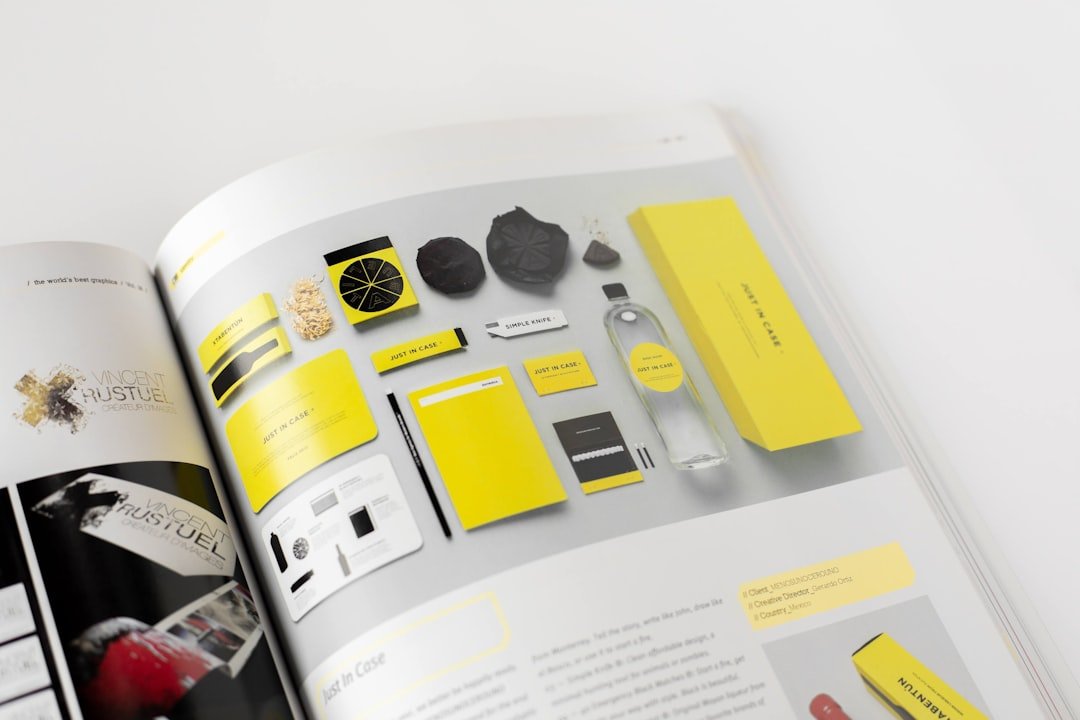
Build a Story People Actually Repeat
Storytelling in e-commerce gets talked about constantly and executed terribly. Most brands use the word ’story‘ to mean a paragraph about the founder’s passion on the About page that nobody reads. That’s not a story. A story is something a customer tells someone else at dinner without being prompted.
The brands that have cracked this — think Liquid Death in beverages or Represent in apparel — built narratives so specific and opinionated that customers feel like insiders for knowing them. The product is almost secondary. You’re buying into a worldview. That emotional buy-in is what drives 40–60% repeat purchase rates in the strongest DTC brands right now.
For your own brand, start with the genuine tension. What does your brand exist to push back against? Blandness, overpricing, greenwashing, complexity — pick the villain and be clear about it. People don’t rally around features; they rally around shared frustrations and shared beliefs. Your story needs a credible antagonist.
Distribution of the story matters as much as the story itself. Short-form video is still the most efficient surface for brand narrative in 2026 — a 30-second TikTok or Reel that captures your brand’s tension and resolution does more brand-building work than a beautifully designed landing page. I’ve seen brands with mediocre websites and extraordinary social presence massively outsell the reverse.
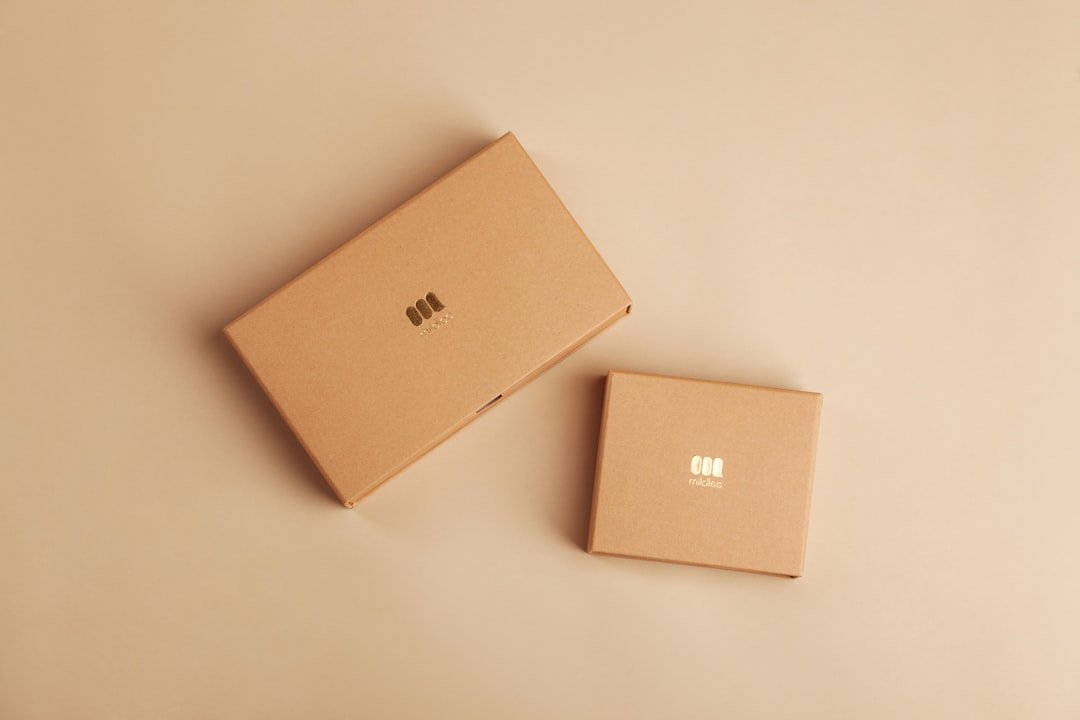
And don’t underestimate packaging. For physical products, the unboxing moment is a story beat — possibly the highest-stakes one you control directly. A single thoughtful insert, a handwritten thank-you on the first 500 orders, a QR code to a founder video: these cost almost nothing and turn customers into narrators.
Own a Channel Before You Rent One
Here’s a principle I keep coming back to: rented audiences are fragile. Every follower you have on Instagram or TikTok can disappear overnight — algorithm change, account suspension, platform decline. I’ve personally seen stores with 200,000 Instagram followers generate almost nothing when their reach got throttled. The number was impressive; the asset was not.
Owning a channel means email first, SMS second, and community third. Email lists are still the highest-ROI owned asset in e-commerce. Average e-commerce email sequences in 2026 generate between $38–$44 per subscriber annually when run well. That’s not a channel you abandon for the next shiny thing — that’s infrastructure.
Building that list requires a compelling reason to opt in that isn’t just ‚10% off your first order.‘ That offer is table stakes now and barely moves the needle. What works better is lead magnets tied to your brand’s expertise — a fit guide, a sourcing transparency report, a quiz that generates a personalized recommendation. Give people something genuinely useful and they’ll give you permission to stay in touch.
SMS is more aggressive but converts exceptionally well for time-sensitive offers — abandoned cart sequences with SMS touchpoints routinely recover 15–20% of carts that email alone misses. Use it sparingly or customers opt out fast. One or two messages per week maximum, and make every one count.
Community channels — whether a private Discord, a Facebook group, or even a niche Substack — are the long game. They take 12–18 months to feel alive. But once they do, the brand loyalty they generate is almost impossible to replicate through paid channels. The customers become the marketing department.
Retention Is the Revenue Nobody Talks About
Acquisition is loud. Retention is quiet. That’s probably why so many founders ignore it until their CAC starts eating the business alive. The math is simple and brutal: acquiring a new customer costs 5–7x more than retaining an existing one, and most e-commerce stores in 2026 still spend 80% of their marketing budget on acquisition.
The brands that compound — that grow year over year without proportionally scaling ad spend — treat retention as a product discipline, not a marketing afterthought. They design for repeat purchase from day one. That means thinking about consumables, subscriptions, complementary products, and replenishment cycles before the store even launches.
Post-purchase email flows are the single highest-leverage retention tool most stores underuse. A well-built flow — order confirmation, shipping update, product education, usage tips, review request, cross-sell — touches the customer seven times in the first 30 days. Each touchpoint builds familiarity. Familiarity builds trust. Trust drives the second order, which is where most brands finally become profitable on a customer.
Loyalty programs get a mixed reputation because most are implemented lazily — points systems with no emotional hook. The ones that work reward behaviour beyond purchase: sharing, reviewing, referring, engaging. Turning loyalty into a status experience rather than a discount mechanism changes the psychology entirely. Customers start identifying with the brand rather than just saving a few dollars.
I track one metric above all others for brand health: the percentage of revenue coming from repeat customers month over month. Healthy brands sit at 35–45%. If you’re below 20%, retention isn’t a channel problem — it’s a product or experience problem that no amount of email automation will fix. Be honest about which one it is.
Play a Longer Game Than Your Competitors
The most durable e-commerce brands I’ve studied share one trait that’s almost boring to name: patience. Not complacency — they move fast and test constantly — but patience with brand-building timelines. They don’t expect community to feel alive in month two. They don’t abandon a content channel because it didn’t convert in the first 90 days.
Category authority is one of the most underrated moats in e-commerce. When your brand becomes the go-to source of knowledge in your niche — not just a seller of products but a trusted voice — pricing power follows naturally. Customers pay premiums to brands they trust, and trust is built through consistently useful, non-commercial content over time. One well-researched blog post or YouTube video per week for two years builds something paid ads literally cannot buy.
Partnerships also compound in ways that individual campaigns don’t. Strategic collaborations with complementary brands — think a coffee brand partnering with a specialty mug brand — introduce each audience to the other without paid acquisition costs. Done right, these partnerships reinforce both brands‘ identities rather than diluting them. The key word is complementary: overlapping values, non-competing products, similar customer sophistication.
I also want to be direct about something that most brand-building content glosses over: pivots are sometimes necessary and not a sign of failure. The brand that lasts isn’t always the one that stayed rigidly on its original path. It’s the one that stayed true to its core values while adapting its product, positioning, or channel mix as the market evolved. Flexibility and identity aren’t opposites.
In 2026, the e-commerce landscape rewards brands that are genuinely hard to copy. Not because of patents or logistics (though those help), but because of accumulated trust, community depth, and a story so specific that imitating it would look ridiculous. That’s the long game. It’s worth playing.
Frequently Asked Questions
Wie lange dauert es realistisch, eine erkennbare E-Commerce-Marke aufzubauen?
Ehrlich gesagt, rechne mit 18–24 Monaten, bevor Markenerkennung bedeutungsvolle Arbeit für dich leistet. Du kannst schneller einen profitablen Store aufbauen, aber die Zusammensetzungseffekte von Community, Content und Ruf brauchen Zeit zum Sammeln. Jeder, der einen Shortcut verspricht, verkauft etwas.
Brauche ich ein großes Budget, um eine starke E-Commerce-Marke aufzubauen?
Nicht so groß, wie du denkst, aber auch nicht null. Die wichtigsten Investitionen sind in Markenklarheit (die mehr Zeit als Geld kostet) und eigene Kanäle wie Email. Ich habe Marken mit 500 Dollar/Monat Marketing-Budget gesehen, die Marken überbieten, die 50.000 Dollar ausgeben — weil ihre Grundlage solide war und ihr Content echt war.
Ist es 2026 zu spät, eine neue E-Commerce-Marke aufzubauen?
Nein — aber die Ära, in der man rein auf Produkt-Neuheit gewonnen hat, ist vorbei. Was immer noch funktioniert, ist echte Differenzierung: eine spezifische Community, eine überzeugende Geschichte oder ein Kundenerlebnis, das merklich besser ist als der Kategoriendurchschnitt. Nischen, die gesättigt wirken, haben oft schlechte Markenausführung überall, was eigentlich eine Gelegenheit ist.
Was ist die einzelne wichtigste Metrik zur Messung der Markengesundheit im E-Commerce?
Wiederholungskaufrate. Wenn Kunden zurückkommen, ohne jedes Mal mit einem Rabatt bestochen zu werden, hast du eine Marke. Wenn sie nur für Verkäufe zurückkommen, hast du einen Commodity-Store. Verfolge den Prozentsatz des monatlichen Umsatzes von Wiederholungskunden und beobachte es wie ein Falke.
Sollte ich auf Social Media aufbauen, bevor ich meinen Store starte?
Ja, wenn du es schaffen kannst — eine Zielgruppe vor einem Produkt zu bauen ist ein echter Vorteil. Sogar 1.000 echte interessierte Follower geben dir einen Startpunkt, frühes Feedback und sozialen Beweis, den bezahlter Traffic nicht herstellen kann. Beginne mit Content, bevor du dich bereit fühlst.
Woher weiß ich, ob meine Markenpositionierung stark genug ist?
Führe diesen Test durch: beschreibe deine Marke jemandem in einem Satz, dann frage, ob er drei weitere Marken nennen kann, die in die gleiche Beschreibung passen. Wenn sie es leicht können, ist deine Positionierung zu generisch. Starke Positionierung sollte sich fast unbequem spezifisch anfühlen — das ist normalerweise das Zeichen, dass du auf der richtigen Spur bist.
Eine E-Commerce-Marke aufzubauen, die hält, ist kein Geheimnis — es ist eine Verpflichtung. Es ist die Wahl, die langsamere, weniger glamouröse Arbeit des Vertrauensaufbaus zu tun, während deine Konkurrenten damit beschäftigt sind, das nächste trendige Produkt zu jagen. Die Auszahlung ist real: zusammengesetzte Kundenloyalität, Word-of-Mouth, das kein Budget braucht, und ein Geschäft, das Algorithmus-Änderungen, Plattformwechsel und Kategoriesättigung überstehen kann. Jede Sektion dieses Artikels ist ein Hebel. Zieh mehr als einen gleichzeitig und die Effekte multiplizieren sich.
Wenn du am Anfang dieser Reise bist — oder nach einer Marke wiederaufbaust, die nicht hielt — schreibe ich regelmäßig über diese Art von Dingen auf ionplaton.com. Der Weg nach vorne ist nicht kompliziert, aber er erfordert Klarheit über das, was du aufbaust und warum. Beginne mit der Grundlage, besitze deine Kanäle und denke in Jahren. Die Marken, die es wert sind, sich zu merken, tun das immer.
💡 About the author: Ion Platon is an entrepreneur and founder specializing in organic content distribution, e-commerce, and U.S. company formation. Learn more at ionplaton.com.