Everyone has an opinion about AI and the future of marketing — what’s actually shifting versus what’s just vendor noise is a harder question. I’ve been running campaigns, managing content pipelines, and watching platforms evolve since before “AI” was the default answer to every marketing problem. What I’m seeing in 2026 isn’t a single revolution. It’s a dozen quieter ones happening simultaneously, and most marketers are only paying attention to one or two of them.
The gap between teams using AI strategically and those just dabbling with it has widened faster than I expected. We’re no longer talking about automating email subject lines or generating a blog post draft in 30 seconds. The shift is deeper — it’s about how AI is restructuring the entire decision-making layer of marketing, from audience segmentation to real-time ad bidding to creative iteration. If you’re not feeling that pressure yet, you will by Q4.
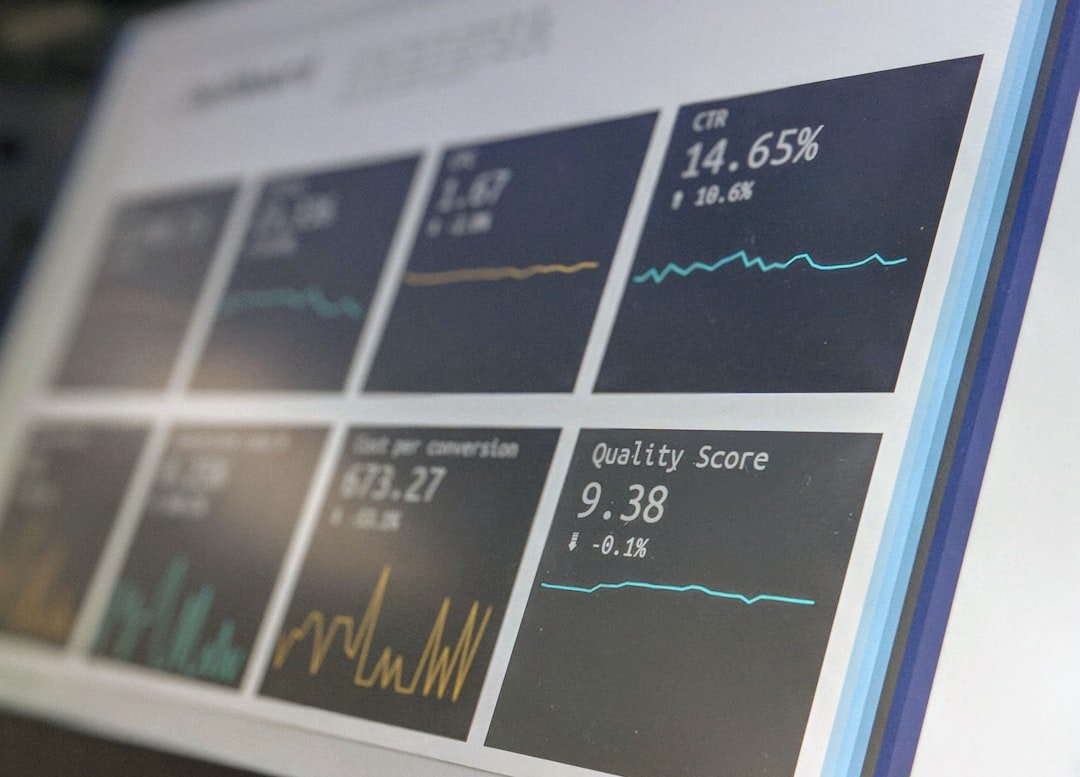
How AI Is Rewiring Audience Targeting
The old way of targeting was essentially educated guessing — build a persona, pick some demographic buckets, and hope the algorithm does the rest. That model is functionally obsolete. In 2026, AI-driven predictive segmentation is operating at a level where platforms like Meta and Google are updating audience signals in near real-time, sometimes recalculating intent scores every few minutes based on behavioral clusters most human analysts would never identify manually.
I ran a paid social test earlier this year where we handed full audience selection over to an AI bidding layer — no manual interest targeting, no lookalikes, just raw signal processing. The cost-per-acquisition dropped 34% over six weeks compared to our manually managed control group. That’s not a marginal improvement. That’s the kind of result that makes you rethink how many hours your team is spending building audience segments.
But here’s the part most people skip over: AI targeting only performs well when the creative and the data feeding it are clean. Garbage inputs still produce garbage outputs. I’ve seen brands burn significant budget because they handed the wheel to an AI system without auditing their first-party data first. The technology is only as smart as the information ecosystem around it.
The other major shift is the rise of contextual AI targeting as a complement to behavioral data — partly driven by continued signal loss from privacy changes, partly because it’s genuinely gotten more accurate. Tools are now analyzing page-level content, session context, and micro-intent signals together. It’s not a replacement for behavioral targeting, but the two working in tandem is where the real edge lives right now.
What AI Tools Are Actually Worth Using
I test a lot of tools. Most of them are fine. A handful are genuinely transformative for specific use cases, and very few do everything their landing page promises. In 2026, the AI marketing tool landscape has matured enough that the categories are clearer — but the noise hasn’t gone away.
Personalization engines have become the standout category this year. Tools that dynamically adapt landing page copy, email sequences, and even ad creative based on individual user behavior in real time are delivering measurable lift — we’re talking 15-40% improvements in conversion rates depending on the vertical. That range is wide because context matters enormously. A high-consideration B2B purchase responds differently than a $29 e-commerce impulse buy.
Generative AI for advertising creative has also hit a practical maturity point. The early versions were useful for volume but weak on brand voice. Current multimodal models can be fine-tuned on your existing creative assets and brand guidelines to produce on-brand variations at scale — cutting creative production time by 60-70% for teams running large volume tests. That said, human creative direction still sets the ceiling. AI executes; it doesn’t yet originate the ideas that break through.
Below is a practical checklist of the AI tool categories worth prioritizing right now — based on what’s actually moving numbers, not what’s getting the most press coverage.
AI Marketing Tools Worth Prioritizing in 2026
- Predictive audience segmentation platforms that ingest first-party CRM and behavioral data together
- Dynamic creative optimization (DCO) tools integrated directly with your paid media stack
- AI-powered email personalization engines that go beyond merge tags into behavioral sequencing
- Conversational AI for on-site engagement — not generic chatbots, but intent-trained assistants
- AI content performance analytics that forecast which assets will decay and when to refresh them

The Shifts Most Marketers Are Missing
Everyone is watching the obvious stuff — ChatGPT integrations, AI image generation, automated ad copy. The more interesting changes are happening at the infrastructure level, and most marketing teams are either unaware or moving too slowly to adapt.
The first one is AI-driven search behavior change. Generative search answers — now standard across Google and several other platforms — are intercepting traffic that used to flow to brand and informational pages. Organic click-through rates on informational queries have dropped an estimated 22% since the widespread rollout of AI Overviews in late 2025. That means the old SEO playbook of ranking for top-of-funnel informational terms is partially broken. The new play is optimizing for citation within AI-generated answers, which requires a different content architecture entirely.
The second shift is the acceleration of AI in influencer and creator marketing. Synthetic influencers — AI-generated personas with genuine audiences — now account for a measurable slice of sponsored content deals, particularly in gaming, beauty, and fitness verticals. Some brands I’ve spoken with are seeing 3x engagement rates from well-constructed AI personas compared to mid-tier human influencers at similar follower counts. The authenticity questions are real, but so are the numbers.
Third — and this is the one I think about most — is the compression of the feedback loop. AI is shrinking the time between campaign launch and optimization from days to hours. Teams that can’t process and act on AI-generated insights quickly enough are leaving performance on the table. The bottleneck in 2026 isn’t access to data or even AI tools. It’s organizational speed. The companies winning right now have restructured their workflows around faster iteration cycles, not just better technology.
Frequently Asked Questions
Is AI actually replacing human marketers in 2026?
Not replacing — but it’s definitely compressing headcount in some functional areas, particularly in roles centered on repetitive content production or manual campaign management. The marketers I see thriving are the ones who’ve moved into creative direction and strategic oversight, using AI as an execution layer rather than competing with it.
What’s the biggest mistake brands make with AI marketing tools?
Skipping the data audit. AI tools amplify whatever’s in your data — including the noise and the gaps. I’ve watched companies drop serious budget on sophisticated personalization engines while feeding them messy, incomplete CRM data. Clean inputs first, then sophisticated tooling.
How is AI changing content marketing specifically?
The volume game is essentially over — AI can produce decent content at scale, which means average content has zero differentiation value now. What’s working is original research, strong POV writing, and content specifically optimized to be cited by AI-generated search answers rather than just ranked in traditional results.
Are AI-generated influencers actually effective for brands?
For certain verticals and audiences, yes — the engagement numbers in gaming and beauty are hard to argue with. But brand risk is real if the audience feels deceived, and disclosure requirements are tightening in most major markets. It’s worth testing carefully, not diving in without a clear brand safety framework.
What should a small marketing team focus on first when adopting AI?
Honestly, start with wherever your biggest time sink is — usually content production or campaign reporting. Get one AI workflow running smoothly before stacking more tools on top. Teams that try to overhaul everything at once usually end up with expensive subscriptions and no meaningful change in output.
The future of marketing — what’s already here versus what’s still emerging — is less about any single AI breakthrough and more about how fast your team can adapt its operating model. The technology gap between leading and lagging marketing organizations is real, but it’s narrowing. What won’t narrow is the gap between teams who’ve rebuilt their workflows around speed and signal, and those still running the same quarterly planning cycles they used five years ago.
If you’re trying to figure out where to focus your energy, start with the shifts that are already costing you — declining organic click-through rates, rising creative production costs, audience targeting that’s getting less efficient over time. Those are the pressure points AI is directly addressing right now. I write about all of this in more depth — the practical stuff, not the hype — over at my main site, ionplaton.com. Come find the pieces that match where you are in the process.
💡 About the author: Ion Platon is an entrepreneur and founder specializing in organic content distribution, e-commerce, and U.S. company formation. Learn more at ionplaton.com.